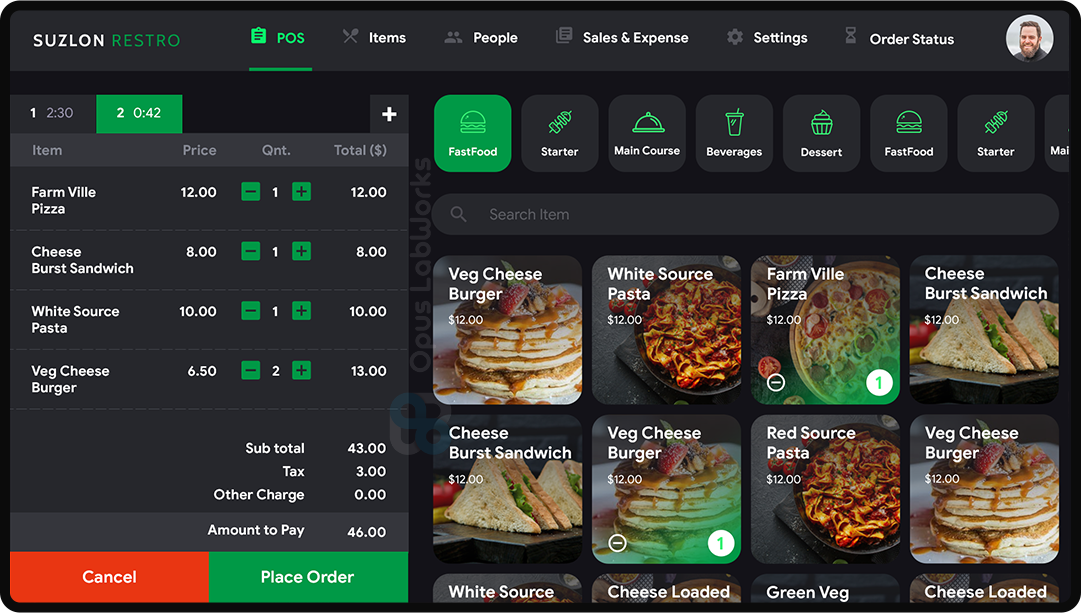
In today's fast-paced merchandising and hospitality industries, the value of a reliable point-of-sale (POS) solution cannot be emphasized. As businesses continue to evolve, so too do. POS solutions have moved beyond from the classic tills we once depended upon. Thanks to advancements in cloud computing, mobile technology, and AI, contemporary POS solutions are revolutionizing the way businesses operate, making them more efficient and focused on customers.
Looking ahead to 2024, it's essential for business owners to stay informed about the latest trends in POS systems. Comprehending how these solutions work and the features they provide can help you make better decisions that enhance customer experiences and streamline operations. Ranging from industry-specific applications tailored for food service and retail to the incorporation of sophisticated security measures, this guide will explore the top developments shaping the prospects of POS solutions, ensuring your business remains in the game in an ever-changing environment.
Understanding Point of Sale Systems
A Point of Sale (POS) system is a vital technology utilized by companies to streamline transactions and oversee activities efficiently. It is essentially the moment at which a consumer makes a transaction for products or services, and it combines hardware and software elements to enable this procedure. Modern Point of Sale solutions can record sales, control inventory, and create reports, providing entrepreneurs with insights into their processes. Grasping what a POS system encompasses can help companies choose the right solution that matches their unique needs.
Historically, POS systems began as basic cash registers that kept track of sales. However, the advancement of technology has transformed these solutions into sophisticated, cloud-based systems that deliver much more than transaction processing. additional reading permit businesses to integrate different features, such as client management, stock control, and data analytics, all in one system. This change reflects the rising need for companies to adjust to modifying consumer habits and market needs.
Picking an appropriate POS system involves comprehending the unique needs of your sector. Whether you are managing a diner, shop, or online store, having a POS system customized to your business requirements can substantially enhance efficiency and client satisfaction. By examining various solutions and capabilities available, you can find a system that not only fulfills your present needs and also facilitates future growth and flexibility.
Determining the Best POS Solution
Selecting the appropriate POS solution is important for improving your operations operations and improving client satisfaction. Begin by assessing your individual requirements, including the scale of your company, the sector you function in, and your budget. Different fields often require specific functionalities, so research solutions designed to your sector, whether it's retail, service, or e-commerce. Understanding your criteria will assist filter the options available.
When you have a solid understanding of your needs, review potential POS solutions based on their features and attributes. Look for solutions that offer essential components like inventory oversight, client management integration, and comprehensive data analysis features. Additionally, take into account usability and the quality of assistance provided by the supplier, as these considerations can greatly impact your employees’ efficiency and process.
Lastly, utilize no-cost trials or demonstrations to evaluate the systems in practical contexts. Involving your staff in the choosing process can yield useful information into functionality and efficiency. A direct strategy allows you to evaluate how well the system fits to your business and guarantees it satisfies your standards before committing to a choice.
Preserving and Protecting Your POS System
To make certain your POS system functions effectively, regular maintenance is essential. Frequently scheduled updates include both software and hardware checks, which can assist avoid system failures. It’s vital to monitor system performance and handle any issues quickly to avoid disruptions during peak business hours. Updating your system updated will also ensure you’re utilizing the newest features and security patches available.
Protection is a top priority for POS systems, mainly due to the critical customer data they handle. Implementing strong passwords, ciphering, and two-factor authentication can improve security and protect against unapproved access. Additionally, it’s important to prepare your employees on effective security practices, such as recognizing phishing scams and avoiding public networks when accessing the POS system.
In conclusion, staying compliant with industry standards like PCI compliance is essential for shielding your business and customer information. Regular compliance audits should be performed, and the staff must be educated on any changes in regulations or policies. By promoting a culture of security awareness and upholding your POS system effectively, you can guarantee a protected and smooth operation for your business.