

In the ever-evolving landscape of infrastructure and resource development, directional drilling has emerged as a key technology that transforms how we approach subsurface projects. This cutting-edge drilling method allows for precise drilling at various angles, enabling access to difficult-to-access resources and lessening environmental impact. Whether for oil and gas prospecting or the installation of utilities beneath thriving urban centers, directional drilling is a revolution that offers countless advantages over traditional drilling techniques.
As we explore the world of directional drilling, this beginner’s guide will describe the key concepts, past developments, and applications across multiple industries. From the intricate processes that define how directional drilling works to success stories highlighting its effectiveness in real-world applications, we will examine the benefits and challenges of this technology. Participate as we uncover how directional drilling is not just a method, but a essential component in creating a sustainable future for our structure and energy requirements.
Understanding Directional Boring
Directional drilling represents a process which enables drillers to create holes which divert from the straight course. This approach provides the possibility to reach subsurface assets much effectively and is extensively employed in multiple industries, like the oil and gas industry, utilities, and green energy. In contrast to conventional upright drilling, which constrains access to places straight beneath the bore area, directional drilling provides versatility in identifying specific locations, reducing surface interference and improving resource gathering.
One of the primary benefits of directional drilling lies in its ability to maneuver through complex earth structures. By modifying the position of the equipment, drillers can avoid hindrances like lakes and rivers, urban developments, or sensitive environments. Such feature not only enhances the protection and efficiency of drilling operations but also reduces the ecological impact and land consequence. Hence, directional boring has matured into an essential instrument for organizations looking to enhance eco-friendliness during meeting their operational targets.
Moreover, technological advancements have significantly developed the practices associated with directional boring. Developments in equipment, tracking systems, and applications have enhanced exactness and cut down the time needed for boring tasks. Such developments enable crews to organize and carry out further complicated and high-precision projects, making sure that assets are tapped properly and upholding high safety standards. In summary, comprehending directional drilling remains crucial for professionals looking to leverage its advantages in different uses.
Advantages of Directional Boring
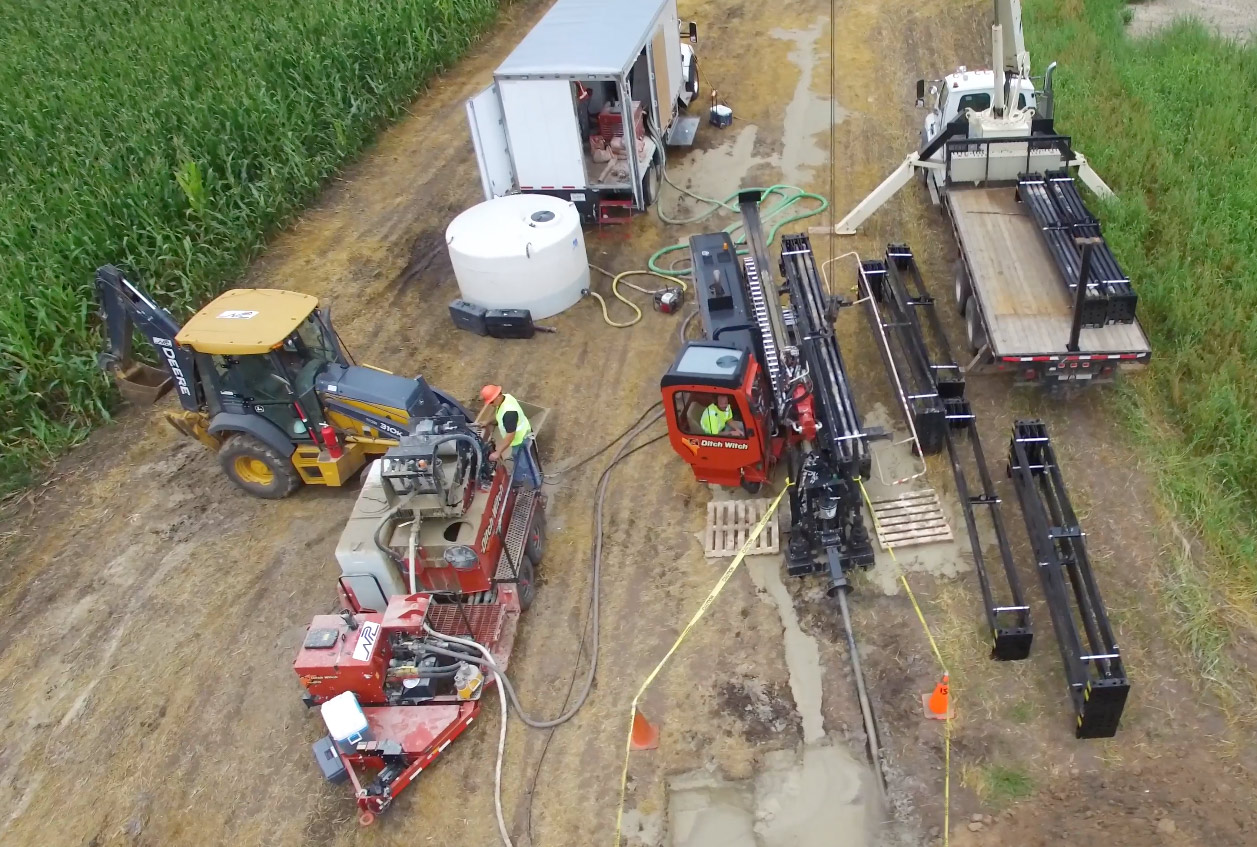
Directional and Horizontal drilling offers many benefits over conventional straight drilling methods. website here of the primary advantages is the capability to reach several targets from a one drilling location. This method decreases the number of drilling locations needed, which not just conserves on expenses but also minimizes environmental impact and terrain disruption. As a result, businesses can function more efficiently while keeping a emphasis on sustainable practices.
An additional significant benefit is the minimization of surface interference. Directional and Horizontal boring allows operators to maneuver around obstacles such as buildings, roads, and natural features, which is especially important in urban environments. By drilling below ground, the technique can install infrastructure and ducts without interfering with the surface, thus preserving the stability of current infrastructure and the surrounding ecosystem.
Moreover, horizontal boring can be more cost-effective in the long run. Although the upfront cost in equipment and supplies may be greater, the reduced need for multiple drilling sites and the capability to drill more accurately frequently lead to lower overall project expenses. This effectiveness can result into substantial savings in both time and assets, making horizontal boring an ever more appealing choice for multiple industries, including petroleum, utilities, and renewable power.
Future Developments in Directional Drilling
The outlook of drilling direction is poised for major transformation as technological advancements continue to arise. Innovations in AI and automation are boosting drilling precision and efficiency. These systems allow for live data analysis, permitting operators to make timely decisions swiftly and tweak drilling parameters on-the-fly. As these technologies become more merged, we can expect to see a significant rise in output and a decrease in operational costs.
Another major trend is the incorporation of digital technologies, including tailored software and sophisticated sensors. Directional Drilling Northern Ireland allow for better preparation, monitoring, and troubleshooting throughout the drilling process. By employing data analysis and ML, businesses can optimize bore paths and anticipate potential issues, thus reducing the chance of costly delays or project failures. have a peek here toward digital technologies is not only rendering the processes more efficient but also creating the way for more secure and more sustainable drilling practices.
Finally, the focus on eco-friendly practices is transforming the environment of drilling direction. As companies are compelled to adopt environmentally friendly practices, this method offers a approach that reduces surface disruption and environmental effects. Companies are now focusing on innovating methods that enhance efficiency while also considering ecological concerns. This shift toward sustainable practices will likely drive the embracing of new techniques, ensuring that directional drilling remains up-to-date in an dynamic market.