

In a world flooded with data about food and dietary science, the pursuit for the ultimate eating plan can appear challenging. With fashions continually changing and emerging diets coming forward, it can be difficult to figure out what genuinely is effective and what is merely a trend. From the widely-adopted Keto and Paleo diets to the Mediterranean way of life that has captured the focus of health experts, there is no shortage of options to explore. Every diet comes with its own claims, but grasping their benefits and downsides is crucial for making informed decisions.
This beginner's manual will explore the most common types of diets, breaking down what they entail and how they might align into your lifestyle. Regardless of whether your aim is weight loss, gaining muscle, or simply living a healthier way of life, knowing the advantages and disadvantages of different diets can help you figure out which one is most compatible with your personal needs. From vegetarian eating to the nuances of the vegan lifestyle, we will discuss a range of dietary approaches, providing insights into their effects on your physical health and well-being. Join us as we navigate the intricate landscape of diet plans to find what truly is effective for you.
Trending Diets Summary
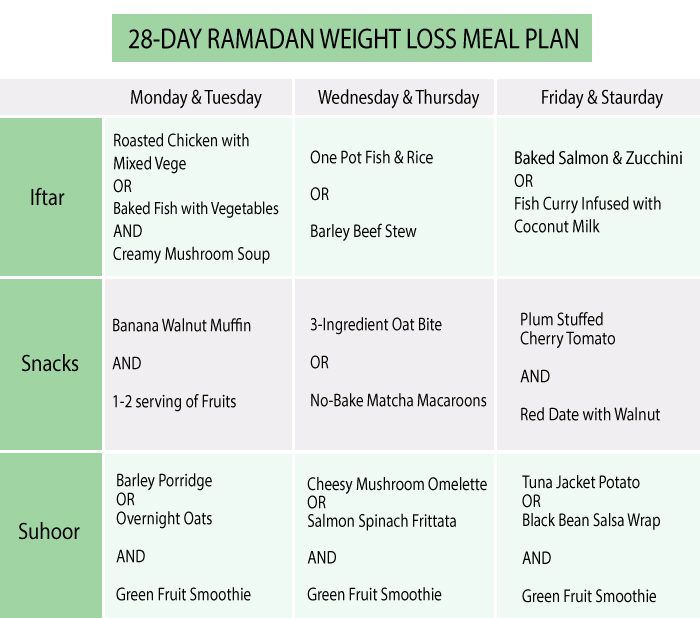
In the world of nutrition, numerous diets have gained notoriety, each advocating distinct approaches to weight loss and overall health. Some of the most famous nutrition strategies include Keto, Paleolithic, and the Mediterranean-style eating plan. The Ketogenic plan emphasizes high fat and low-carb intake to start a state of ketosis, while the Paleolithic approach focuses on consuming whole foods similar to those eaten by our ancestors. On the other hand, the Mediterranean plan, celebrated by doctors, emphasizes fruits, vegetables, whole grains, and healthy fats, promoting sustainable heart health.
Plant-based and plant-only diets are also trending, attracting individuals looking to improve their health and reduce their ecological footprint. While both focus on plant foods, the vegan diet excludes all animal products, whereas a flexitarian diet may incorporate some animal products in moderation. Intermittent fasting has become a popular technique for many, as it emphasizes the timing of to eat rather than the types of foods to eat, claiming benefits for weight management.
Additionally, diets like Dietary Approaches to Stop Hypertension, designed for heart health, and gluten-free and FODMAP-friendly or FODMAP diets for specific medical conditions, showcase the diverse motivations behind dietary choices. Many individuals seek eating plans that cater to their way of life, values, and health objectives, leading to the rise of specialized eating plans such as the inflammation-reducing or kidney-friendly approach. As the landscape continues to change, individuals must navigate these trending diets to find what truly suits them for their needs.
# Understanding Specialized Diets
Unique diets are tailored for distinct health conditions , food limitations, or individual tastes. a fantastic read is to boost health outcomes and may be prescribed by healthcare professionals. For example , the gluten-free diet is crucial for those with celiac disease, as it aids handle symptoms by avoiding gluten-containing foods. Similarly , the FODMAP diet is utilized to relieve symptoms of irritable bowel syndrome by reducing certain carbohydrates that can provoke discomfort.
A further key category includes diabetic diets, which emphasize managing blood sugar levels. This eating plan prioritizes balanced meals with controlled carbohydrate intake, allowing individuals with diabetes to keep stable glucose levels. Many doctors recommend the DASH diet (Dietary Approaches to Stop Hypertension) to promote heart health, emphasizing fruits, vegetables, lean proteins, and whole grains while reducing salt and saturated fats.
Daily choices also have a significant role in specialty diets. As an example, the renal diet is tailored for kidney patients to help handle their nutrient intake efficiently and prevent further kidney damage. Those looking for sustainable eating practices can explore flexitarian diets, which promote adopting more plant-based foods while still allowing for occasional meat consumption. Each of these specialty diets serves various health needs and lifestyle preferences, making it essential to choose one that best aligns with individual goals.
Choosing the Best Nutrition Plan for You
Finding the right diet can be a personal journey that shows your personal needs, preferences, and lifestyle. Think about your goals initially; whether you aim for losing weight, muscle building, or just improving overall health will determine what diet suits you most effectively. For case, if your goal is successful weight loss, you might look into low-carb diets like the Ketogenic diet or more balanced approaches like the Mediterranean way of eating that emphasize whole, wholesome, nutrient-rich foods.
It is also vital to assess your food likes and any food limitations you may have. If you prefer plant-based meals, vegan diets may suit your lifestyle. On the flip side, if you need to manage specific health conditions, such as high blood sugar or renal concerns, specialty diets like the diabetes diet or renal diet may be necessary to think about. Be sure to factor in any food allergies or intolerances, like gluten, which can affect your choice.
In conclusion, evaluate how much time and effort you can commit to meal preparation and planning. Some diets require extensive meal prep, while others provide more flexibility and convenience. If you live a hectic life, a diet with easy-to-prepare meals, such as the semi-vegetarian or Dietary Approaches to Stop Hypertension might be more sustainable. Ultimately, the best diet is one you can adhere to long-term, ensuring that it fits smoothly into your daily routine and supports your health goals.