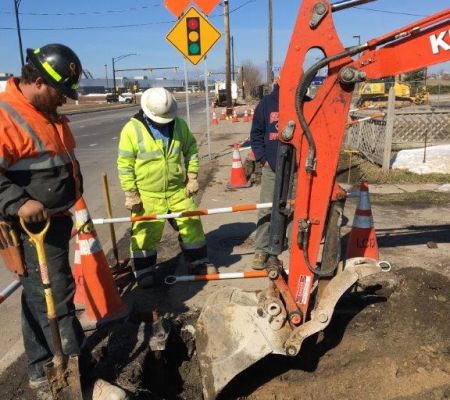
Directional borehole drilling is now a innovative technique across multiple industries, facilitating the precise and efficient implementation of services, pipelines, and green energy frameworks. As technology continues to evolve, understanding the basics of directional drilling becomes essential for industry workers and hobbyists alike. This detailed guide seeks to clarify the intricacies of directional drilling, offering an introductory insight into its workings and implementations, as well as highlighting the best practices that can drive success in your initiatives.
Beginning at its beginning to the modern techniques of today, directional drilling has experienced significant evolution, permitting operators to maneuver through complex terrains and minimize environmental impact. This article will examine the different types of directional drilling, the key variances between upright and horizontal techniques, and the role this method plays industries such as petroleum, public services, and sustainable energy. Whether you are an entry-level the field or wanting to improve your knowledge, our guide will provide key information into the benefits, difficulties, and future trends shaping the industry of directional drilling.
Understanding Directional Drilling
Directional drilling is a process used in the drilling industry that allows for the controlled diversion of the drill bit from a upright path. Unlike traditional vertical drilling, directional drilling allows operators to drill at angles and along bent trajectories, making it a versatile solution for various applications. This technique has revolutionized drilling by allowing access to reserves and resources that would otherwise be difficult or impossible to reach using conventional drilling techniques.
The process of directional drilling involves the use of specialized tools such as bore bits, mud motors, and steering tools. Operators plan and execute the drill path carefully to ensure that the drill reaches its target efficiently and efficiently. The mechanisms used in directional drilling has evolved considerably over the years, incorporating advanced surveillance systems and software that enhance precision and reduce the chances of issues during the drilling process.
Directional drilling not only boosts the effectiveness of resource extraction but also minimizes ecological impact. By reducing the need for various drilling sites and surface interference, this technique aids preserve the surrounding ecosystem. As industries continue to advance and explore new applications for drilling, grasping the basics of directional drilling will become more important for both experts and newcomers alike.
Advantages and Benefits
Horizontal drilling offers numerous benefits, making it a chosen technique for various endeavors. One of the primary benefits is its ability to minimize ground disturbance. Traditional drilling methods often require extensive clearing of land, which can harm ecosystems and create considerable environmental challenges. In comparison, directional drilling enables for accurate bore paths that maneuver around obstacles and reduce the overall impact of drilling operations. This is particularly advantageous in urban areas where minimizing disturbance is essential.
Another significant benefit is the temporal and financial efficiency linked with directional drilling techniques. Since this method permits for drilling several wells from a sole location, it reduces the need for additional drilling sites and the related mobilization costs. The efficiency of directional drilling not only saves duration during the installation but also speeds up project schedules significantly, leading to faster returns on investment. This is a persuasive advantage for companies looking to improve their operational budgets.
Additionally, directional drilling presents substantial environmental benefits. By reducing the amount of land affected and minimizing the quantity of access roads needed, this method lessens the impact on natural habitats and local wildlife. It also enables companies to drill in fragile areas, such as wetlands and along rivers, without causing significant environmental harm. As industries more and more prioritize sustainable practices, the adoption of directional drilling techniques matches with objectives for eco-friendly infrastructure development.
Future Trends and Insights
The future of directional drilling appears to be poised for significant advancements since the industry embraces new technologies and methodologies. Innovations including immediate data analytics and artificial intelligence are set to enhance the effectiveness and performance of drilling operations. By utilizing these technologies, companies can make informed decisions on drill paths and strategies, thus optimizing resource extraction while diminishing costs and environmental impact.
Automated systems is anticipated to play a crucial role in the progression of directional drilling. Automated systems can boost the precision of drilling techniques, lessening human error and enhancing safety. As the demand for more rapid and more efficient drilling increases, automated drilling rigs and robotic systems will likely become widespread, streamlining operations and enhancing productivity across different fields, including oil and gas, utilities, and renewable energy.
Lastly, the integration of advanced technologies, such as advanced software and sensor technology, will revolutionize the method directional drilling projects are planned and executed. Directional Drilling Ireland enable live monitoring of drilling parameters, which can cause better management of resources and more rapid identification of potential issues. As the industry moves towards more sustainable infrastructure, the ability to facilitate such initiatives through advanced directional drilling practices will be crucial for meeting the rising demands of urban development and environmental stewardship.